
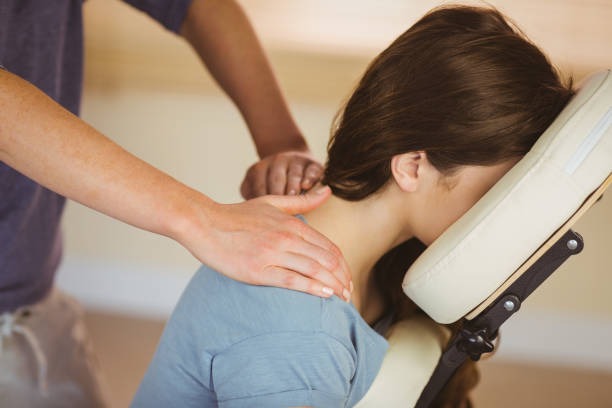
A massage chair designed to replicate the experience of a professional massage offers more than just mechanical movements; it provides comfort, relaxation, and therapeutic benefits that closely mimic human touch. Several features contribute to making a massage chair feel more natural, enhancing the overall user experience and effectiveness.
One of the primary aspects that make a massage chair feel natural is its ability to emulate human hand movements. Advanced chairs use 3D or even 4D technology, allowing rollers to move not only up and down and side to side but also in and out with varying pressure. This multidimensional movement mimics how a masseuse’s hands adjust pressure according to muscle tension and body contours. The ability to vary intensity dynamically helps prevent discomfort from excessive force or insufficient pressure, creating a more authentic sensation.
Another important feature is body scanning technology. Before starting the massage chair reviews program, many modern chairs perform an automatic scan of the user’s back shape, shoulder height, and spinal curvature. This customization ensures that rollers target precise points on the body rather than applying uniform pressure indiscriminately. By adapting to individual anatomy, these chairs deliver massages tailored specifically for each user’s needs-much like how a skilled therapist would assess muscle tightness before beginning treatment.
The inclusion of heated elements also contributes significantly to realism in massage chairs. Heat relaxes muscles by increasing blood flow and reducing stiffness before or during kneading motions. When combined with gentle vibrations or tapping techniques around sensitive areas such as shoulders or lower back, warmth enhances comfort levels similarly experienced during manual therapy sessions.
Massage techniques themselves play an integral role in achieving natural sensations. Chairs equipped with multiple modes-such as kneading, rolling, tapping, shiatsu (finger-pressure), compression airbags for arms or legs-offer diverse experiences resembling various traditional massages practiced worldwide. The transition between these techniques should be smooth rather than abrupt so users can enjoy continuous relaxation without distraction.
Airbags simulate squeezing actions on limbs by inflating rhythmically around calves, feet, arms, or shoulders which imitates finger presses used by therapists when releasing tension from muscles through compression strokes. These airbags work best when synchronized well with roller movements ensuring holistic coverage across different muscle groups simultaneously as humans do during full-body massages.
Sound design also subtly influences perception; some high-end models integrate ambient sounds such as soft music or nature noises helping users mentally unwind while physically relaxing-this multisensory approach adds depth beyond tactile simulation alone.
Lastly yet importantly is ergonomic design ensuring proper posture alignment while seated within the chair’s frame so that every part of your body receives optimal contact with massaging components without strain on joints or spine-a factor often overlooked but critical for replicating natural comfort over extended periods.
In conclusion, features like multidimensional roller movement coupled with intelligent body scanning systems provide personalized targeting necessary for authentic touch replication; heating elements prepare muscles enhancing pliability akin to warm-up phases in manual therapy; varied massage modes create different textures of sensation matching real-world techniques; synchronized airbags add dynamic compression effects similar to finger pressures; along with thoughtful soundscapes and ergonomic support-all combine seamlessly making modern massage chairs deliver remarkably natural-feeling massages right at home.
